
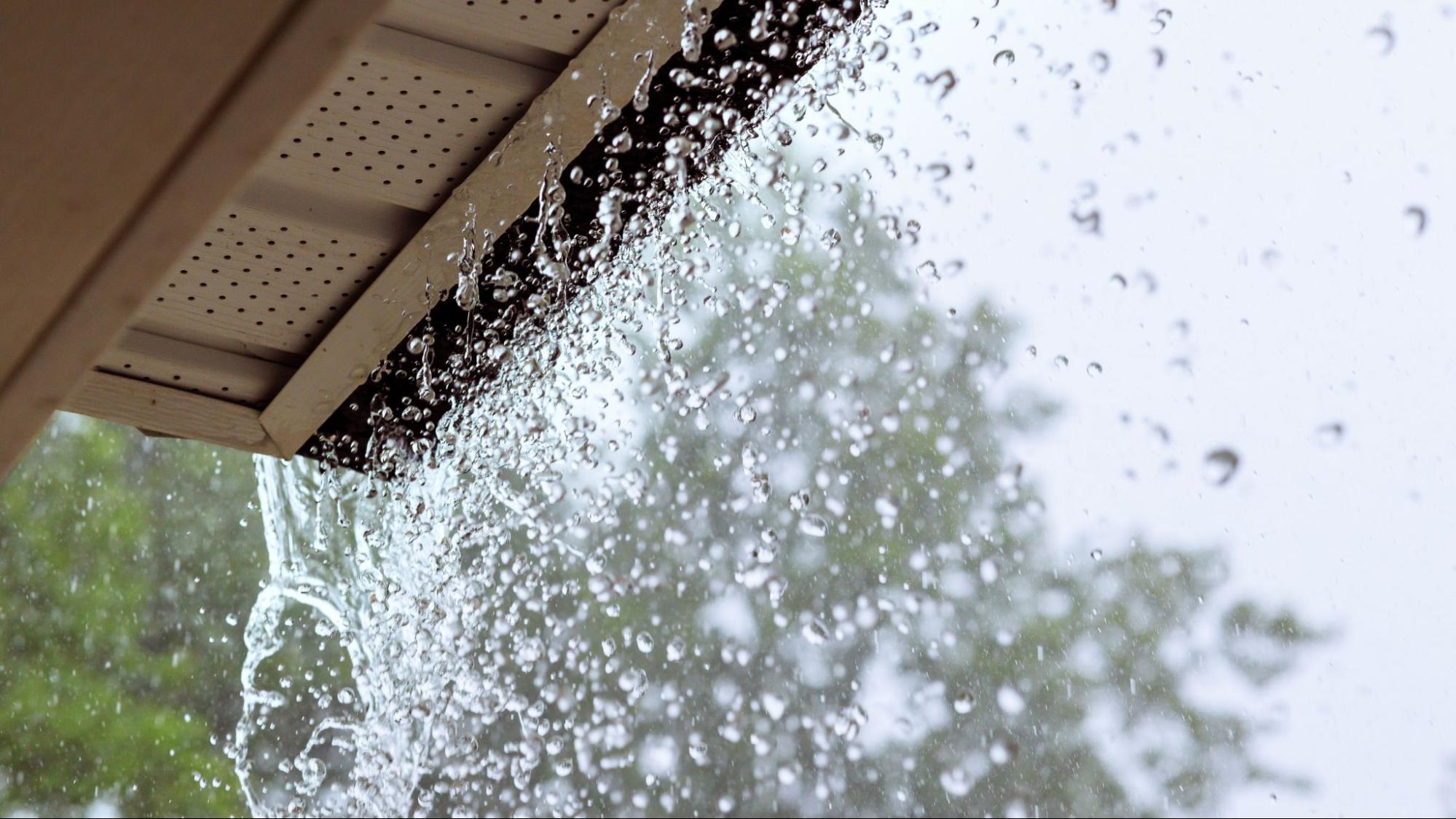
As the rainy season approaches and temperatures rise, homeowners across Miami-Dade, Broward, and Homestead know exactly what May means: It is the final countdown to the June 1st start of hurricane season.
This year, the 2026 NOAA forecast predicts a slightly below-average season due to the expected development of an El Niño climate pattern.
Simply put, El Niño is a periodic warming of surface waters in the central Pacific Ocean. This shift in the Pacific actually alters global weather patterns, notably by increasing vertical wind shear (strong, upper-level crosswinds) over the Atlantic Ocean and the Caribbean.
These high-altitude winds essentially slice the tops off developing thunderstorms, making it much more difficult for them to organize into powerful hurricanes.
While this pattern typically leads to a quieter Atlantic season, local homeowners know better than to let their guard down. In reality, even without a named storm, our daily afternoon summer downpours are more than enough to overwhelm a neglected exterior.
Therefore, it is crucial to understand how to prepare your rain gutters this May, what happens if the storm forecast is incorrect, and how to follow a comprehensive checklist to protect your home.
Weather predictions are probabilities rather than absolute guarantees. As NOAA experts consistently remind us, it only takes a single storm making landfall to ruin an otherwise quiet season.
If the global weather patterns shift and the El Niño prediction is weaker than expected, homes that delayed their spring maintenance will face the brunt of the damage.
When high winds and torrential rains hit an unprepared property, clogged or unsecured gutters lead directly to severe issues:
Downspouts that dump water right at the base of the house will cause heavy rain to pool against your foundation instead of draining away. Over time, this creates structural cracks and invites mold.
Clogged gutters overflow against the exterior walls. When wind gets up under a loose soffit panel or a rotted fascia board, it pushes into the attic and can actually lift the roof from the inside.
A handful of loose gutter fasteners can cause the entire system to rip off the home. This not only destroys your drainage setup but also creates dangerous flying projectiles in your yard.
To avoid these costly repairs, every maintenance task below should be handled before June 1st while contractors still have open availability.
Spring winds leave gutters packed with dry leaves, pine needles, and pollen from local trees like oaks and mahoganies.
First, clear them out completely. Next, perform a flush test with a garden hose to confirm that water actually flows smoothly through the channels.
You should specifically look for standing water, which strongly indicates an improper pitch that needs correction.
Pre-season drainage work is unglamorous but genuinely effective. Take a moment to check the mulch lines or planters below your gutters.
If you notice the mulch is displaced or soil is washing away, your gutters are likely overflowing in that spot.
Furthermore, ensure every downspout is clear and extended several feet away from the foundation to prevent pooling.
Walk the perimeter of your home and look for soft spots or peeling paint along the roofline. You must re-fasten loose fascia panels because these are known wind entry points.
Additionally, ensure your gutters are secured with heavy-duty hidden hangers rather than old spikes that easily pull out during tropical storms.
If you live near the coast in Miami or Homestead, salt spray constantly sticks to aluminum and can wear down finishes over time.
Look closely for dark tiger-striping or algae lines on the gutter face. A professional soft wash will remove this buildup and help the water bead and shed exactly as designed.
Arborists across South Florida are typically booked solid by late May. Consequently, you should trim trees back from the roofline now and remove dead or weak branches.
These can easily fall and smash your gutter system during sudden high winds.
Sometimes May slips away, and suddenly it is June. The daily afternoon thunderstorms have already started, and hurricane season is officially active.
Do not panic, but you must act with urgency. If you are starting late, here is your damage-control strategy:
The easiest way to spot a failing system in June is to walk outside with an umbrella during a heavy downpour.
Carefully note exactly where water is overflowing the gutter lip or pooling near your home.
If you cannot get the entire system cleaned immediately, focus purely on clearing the downspouts.
Ultimately, if the downspouts are blocked, the entire system is useless.
Every gutter and roofing company in South Florida gets flooded with calls in June.
Book your inspection today, even if the appointment is a week or two out. Getting on the schedule is your top priority before a named storm enters the Gulf or Atlantic.
When securing your home for South Florida’s extreme weather, you do not just need a handyman. You need a dedicated climate specialist.
At Unlimited Rain Gutters Corp, we understand exactly what Miami, Dade, Broward, and Homestead homes face every summer. Here is why locals trust us to protect their properties:
Sectional gutters leak and fail under the weight of Florida rain. We manufacture and install seamless systems right on site.
They are perfectly measured to your home’s exact dimensions to eliminate weak points.
We absolutely refuse to use cheap spikes. Instead, we secure your system using heavy-duty hidden hangers built specifically to withstand tropical storm-force winds.
Navigating strict Miami-Dade building codes and rigid homeowner association guidelines is a headache.
Fortunately, we know the local requirements inside and out, ensuring your installation is fully compliant and visually appealing.
We do not just hang metal on your roof. We offer comprehensive rainwater management.
From high-capacity 6-inch channels that handle torrential downpours to custom downspout scupper boxes, we ensure water is moved safely away from your foundation.
Storm-ready preparation is about a proactive process rather than a last-minute panic. Whether the 2026 forecast calls for a quiet year or a busy one, your home remains highly vulnerable to daily heavy rains.
Secure your property, evaluate your drainage, and take action before the skies turn grey.