
If you own a home or business in South Florida, you have likely wondered at some point whether rain gutters are really necessary. Many properties across Miami-Dade, Broward, and Homestead are built without them, which naturally raises questions.
Florida’s dry season is often when property owners reflect on maintenance needs and plan improvements for the year ahead. This makes it the ideal time to understand what rain gutters are for, why they are important, and whether your property is at risk without them.
The short answer is yes. In Florida’s climate, rain gutters play a critical role in protecting both residential and commercial properties from long-term water damage.
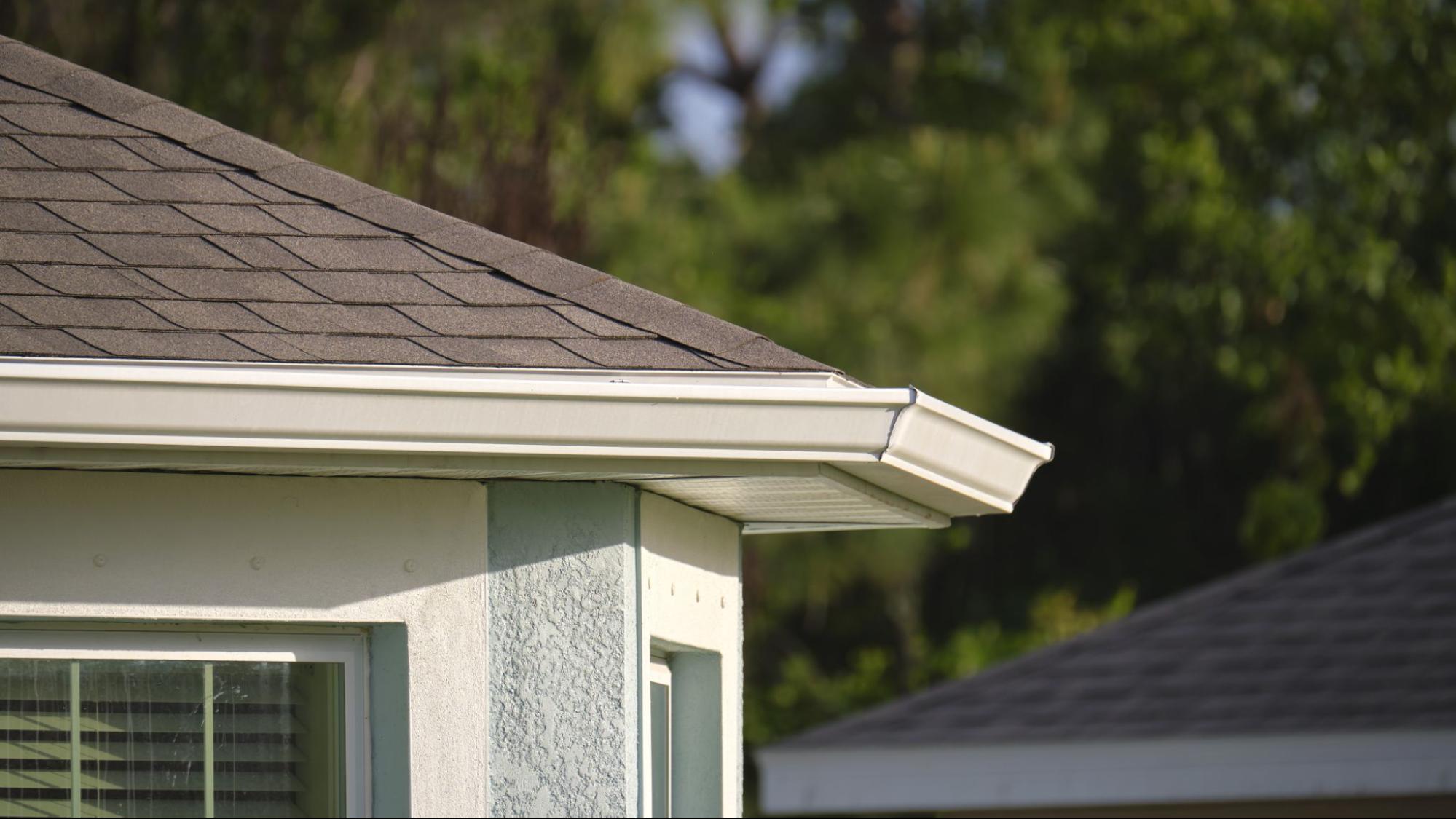
Rain gutters are channels installed along the edge of a roof that collect rainwater and guide it toward downspouts. From there, the water is directed away from the building’s foundation and exterior surfaces.
This process may seem simple, but it is essential in controlling how water behaves during heavy rain.
In South Florida, rain does not fall gently or evenly. Storms often release large amounts of water in short periods of time. Without gutters, that water falls directly off the roofline, hitting the ground with force and concentrating runoff in the same areas over and over again.
Over time, this leads to erosion, structural stress, and moisture-related damage that is expensive to repair.
Many Florida homes are built without gutters, which leads people to assume they are optional or unnecessary. In reality, this has more to do with building practices than performance.
Florida building codes do not require gutters in every situation. Unless a roof has specific configurations, such as upper levels draining onto lower sections or very short eaves, builders can legally skip them. This reduces construction costs, but it does not mean the home is fully protected.
Just because a home passes inspection does not mean it is prepared for years of heavy rain, tropical storms, and shifting soil.
Many homeowners and business owners only discover the consequences later, after noticing stained walls, cracked concrete, washed-out landscaping, or moisture near the foundation.
By the time these signs appear, water damage has already been happening for years.
Modern gutter systems are designed to handle high volumes of water. When properly sized and installed, five-inch, six-inch, or larger seamless gutters can manage sudden downpours effectively. Problems usually arise from undersized systems or poor installation, not from the rain itself.
While Florida’s sandy soil does absorb water faster than clay, it also erodes more easily. Repeated roof runoff in the same areas washes soil away from the foundation, creating instability and long-term structural risks.
Swales and sloped yards can help, but they are not permanent solutions. Florida soil settles over time, and drainage patterns change. What worked when a home was new may no longer protect it years later.
One of the most important functions of gutters is directing water away from the foundation.
When water pools at the base of a building, it can erode soil, seep into small cracks, and compromise structural stability over time.
Fascia boards, soffits, stucco, paint, and siding are all vulnerable to repeated water exposure.
Without gutters, rainwater can roll back under roof edges, leading to rot, mold growth, and peeling finishes.
Even without basements, many Florida properties have crawlspaces or ground-level storage areas.
Uncontrolled runoff can lead to flooding, mold growth, and humidity problems inside the building.
For commercial properties, gutters also help prevent slippery walkways, protect storefronts, reduce liability risks, and maintain a professional appearance for customers and tenants.
Not every roof edge requires a gutter, but key areas should never be ignored. These include rooflines that drain toward entrances, walkways, foundations, and areas where water naturally concentrates.
Multi-level roofs, valleys, steep pitches, and flat roof sections are especially prone to heavy runoff. A professional assessment helps determine where gutters provide the most protection and where additional drainage solutions may be needed.
One of the most dangerous aspects of skipping gutters is that damage is rarely immediate. Water erosion, foundation stress, and moisture intrusion happen gradually and often go unnoticed until repairs become unavoidable.
Installing gutters is almost always less expensive than repairing foundation damage, replacing rotted fascia, remediating mold, or restoring damaged landscaping. In Florida, water damage remains one of the most common and costly property issues.
Stained exterior walls, eroded soil, cracked driveways, pooling water near the foundation, and damaged landscaping are all indicators that water is not being properly managed.
Roof design, yard grading, soil type, and surrounding structures all influence how water behaves. A professional evaluation considers all of these factors to determine whether gutters are necessary and how they should be installed for long-term performance.
Seamless gutters are often the best option for South Florida properties. With fewer joints, they are less prone to leaks and better equipped to handle sudden, heavy rainfall.
In areas with heavy tree coverage, gutter guards can reduce debris buildup and standing water. This lowers maintenance needs and helps prevent mosquito breeding and overflow issues.
Some property owners now choose smart gutter systems that monitor water flow and alert them to clogs. These options are especially useful for business owners, seasonal residents, and multi-property owners.
While gutters may not be required by Florida building codes in every situation, they are necessary for protecting most homes and commercial properties in South Florida.
Rain gutters help manage intense rainfall, protect foundations, preserve exterior materials, and reduce long-term maintenance costs. Planning installation or upgrades during the dry season allows property owners to prepare without the pressure of storm damage.
For homeowners and business owners in Miami-Dade, Broward, and Homestead, rain gutters are not just an upgrade. They are a practical investment in protecting what you have built.
Yes, gutters are necessary for most Florida homes and commercial properties. Florida experiences heavy rainfall, intense storms, and sudden downpours that can overwhelm unprotected roof edges. Rain gutters help control water runoff, protect the foundation, prevent erosion, and reduce the risk of water intrusion. In South Florida, where annual rainfall often exceeds 60 inches, gutters play a critical role in long-term property protection.
Florida building codes do not universally require rain gutters on all structures. However, many local jurisdictions and building inspectors strongly recommend them, especially when roof runoff can affect foundations, neighboring properties, or public walkways. In some cases, gutters may be required to comply with drainage or site management regulations. It is always best to consult a licensed contractor familiar with local codes in Miami-Dade, Broward, and Homestead.
Without rain gutters, water falls directly from the roof onto the ground below. Over time, this can lead to foundation erosion, cracks, interior leaks, mold growth, and damage to landscaping. For business owners, it can also create unsafe walking conditions, damage storefronts, and increase maintenance costs. Many water-related property issues in Florida are caused by unmanaged roof runoff rather than roofing failures.
The average cost of rain gutters in Florida typically ranges from $8 to $15 per linear foot, depending on the material, property size, and installation complexity. Seamless aluminum gutters are the most common choice in South Florida due to their durability and resistance to corrosion. While costs vary, installing gutters is often significantly less expensive than repairing foundation or water damage caused by poor drainage.
Some properties use alternatives such as French drains, extended downspout systems, or ground-based drainage solutions. While these systems can help manage water at ground level, they do not replace the function of gutters. Gutters are the first line of defense because they control water directly at the roofline. In South Florida’s heavy rain conditions, a combination of gutters and proper drainage solutions often provides the best protection.
Our seasoned expertise ensures your property stays safeguarded against even the harshest weather elements.