
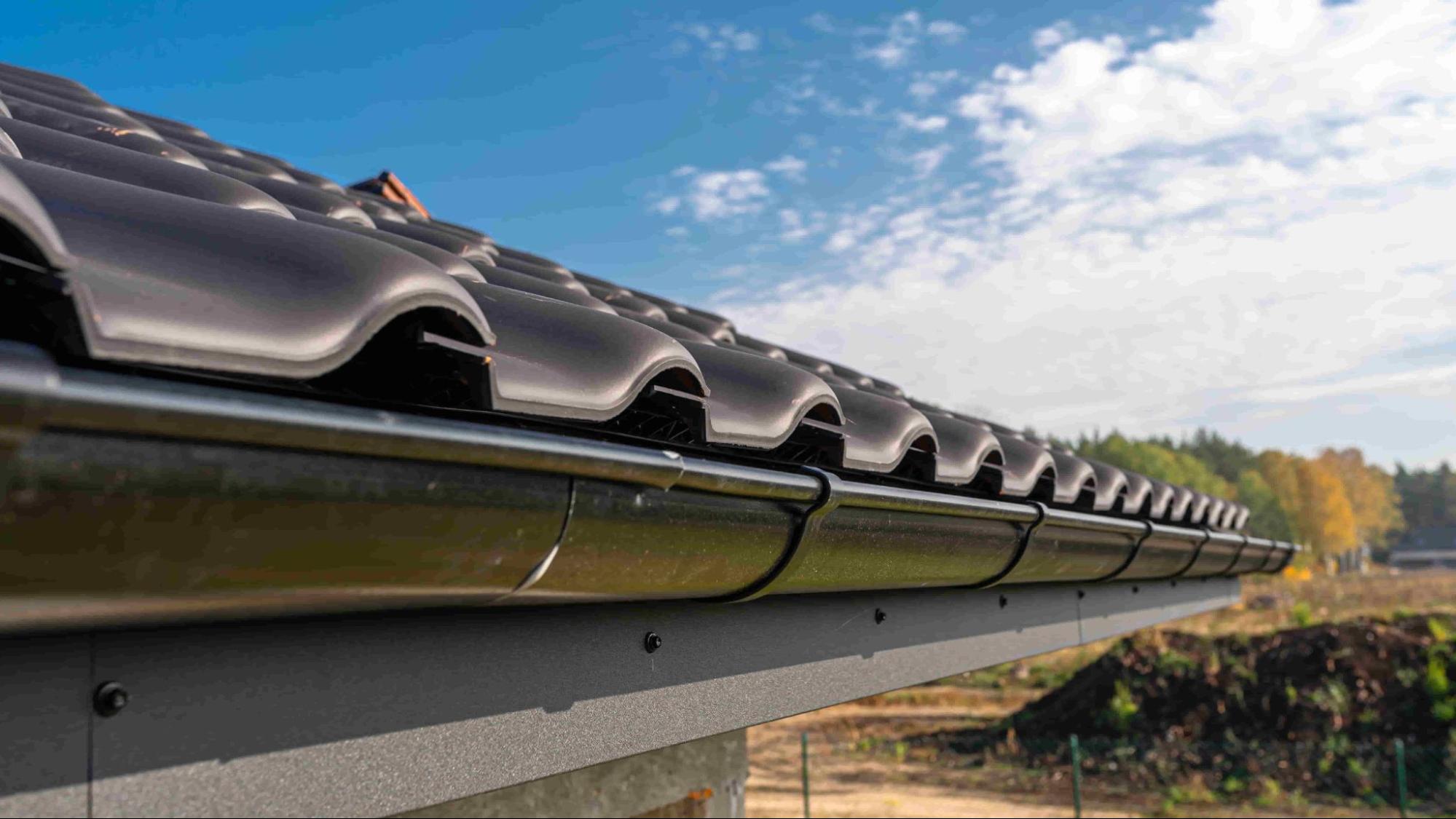
Choosing the right gutter system in Florida is essential because our homes and businesses face extreme rainfall, tropical storms, and intense humidity throughout the year.
Without proper gutters, water can damage your roof, foundation, driveway, landscape, and exterior walls.
At Rain Gutters Unlimited Corp, we help property owners across Miami, Dade, Broward, and Homestead install reliable gutter solutions that protect buildings and improve long-term value.
This guide explains the best gutter systems for Florida’s climate, how often they should be cleaned or replaced, temporary options, and alternatives.
The goal is to help you make a confident decision while improving your home’s protection.
Florida receives some of the heaviest rainfall in the country.
Afternoon storms, tropical depressions, and hurricane-season downpours can release several inches of rain in one day.
Because of this, gutters are not just a convenience. They are a key part of your home’s drainage system.
Homes with no gutters often show early signs of wear, such as mildew on walls, cracks near the foundation, and uneven ground.
Businesses can also experience water entry problems and higher maintenance costs. This is why choosing the correct gutter style and material is important.
Below are the top systems recommended for South Florida. Each offers different benefits depending on property size, roof type, and environmental exposure.
Seamless aluminum gutters are the number one choice in Miami and Broward because they are custom-made on-site to match your home.
This eliminates joint seams, which reduces leaks and improves water flow during heavy storms. Aluminum is also extremely resistant to rust, making it ideal for humid coastal areas.
Copper gutters bring long-term durability and a premium look. Over time, they develop a natural patina that adds character.
Many homeowners choose copper for its ability to resist corrosion even in salty coastal air.
Although copper gutters cost more, they offer one of the longest lifespans and require lower maintenance over the years.
For large buildings, warehouses, and commercial structures, box gutters provide strong drainage capacity.
They hold more water than standard K-style gutters, which is important when roof surfaces are big and storms are intense.
Gutter guards help prevent clogs from palm fronds, leaves, seeds, and roof debris.
In many South Florida neighborhoods, constant vegetation makes gutter protection essential.
Gutter cleaning prices in Florida vary based on the type of property, roof height, accessibility, and how much debris is in the system.
Homes and commercial buildings have different needs, so understanding the typical cost range helps you plan ahead.
Most homeowners in Miami, Dade, Broward, and Homestead pay between $100 and $300 for a standard gutter cleaning service. The price depends on:
Homes surrounded by palm trees, oak trees, or areas with frequent storms may require cleaning more often, usually every 3 to 6 months.
Commercial buildings tend to have larger roofs, taller structures, and wider gutter systems. Because of this, cleaning usually costs more. Businesses in South Florida typically pay:
The price depends on:
Commercial gutter systems also need more frequent inspection because they manage higher volumes of water during fast-moving storms.
Many businesses schedule cleaning every 3 to 4 months to avoid overflow, pests, and roof drainage issues.
Gutter systems in Florida face intense year-round moisture, high UV exposure, frequent storms, and salt-rich coastal air.
Because of this, the lifespan of gutters depends heavily on the type of property and the system’s material quality.
Homes and commercial buildings age at different speeds, so understanding both helps you plan ahead and avoid unexpected water issues.
Most residential gutters in South Florida last 15 to 20 years, although well-maintained seamless aluminum systems can exceed that lifespan.
Homes located closer to the coast or surrounded by trees typically experience more wear due to salt exposure and constant debris buildup.
Florida homes with older roofs, heavy foliage, or gutters installed in sections instead of seamless formats usually show deterioration faster.
Upgrading to seamless systems or installing gutter guards can help extend service life.
Commercial buildings operate on a different scale. With larger roofs, higher water volume, and stronger drainage needs, commercial gutters often need professional inspection more frequently.
Box gutters, oversized downspouts, and integrated roof drainage systems experience more stress during heavy storms.
On average, commercial gutter systems last 12 to 18 years depending on the building’s size and exposure.
However, the following signs indicate that a replacement may be necessary:
For properties such as shopping plazas, warehouses, and offices, even small gutter failures can lead to costly roof repairs or interior water intrusion.
Many commercial property managers schedule annual evaluations to avoid emergencies, especially before hurricane season.
Florida’s weather does not give gutter systems much time to recover after storms. That is why delaying replacement often leads to:
Replacing gutters at the right time is far more cost-effective than repairing water damage later.
Both homeowners and commercial property owners benefit from choosing durable materials and ensuring proper drainage design based on their building’s location and architectural structure.
Some homeowners ask about alternatives to traditional gutters. While these can help in light rainfall areas, they are not ideal for Florida.
Possible alternatives include:
However, none offer the same protection as a full gutter and downspout system, especially during hurricane season.
A complete gutter system in Florida includes several components that work together to move water away from your home or commercial building.
Each part has a specific purpose, and understanding how they function helps you choose the right setup for your property.
Gutters are the long, horizontal channels installed along the edge of your roof. Their job is to collect rainwater as it flows off the roof surface.
Once water enters the gutter, it is guided toward the downspouts instead of spilling over the sides.
Gutters are the starting point of your entire drainage system.
Downspouts are the vertical pipes connected to your gutters.
They carry water from the roofline down to the ground and release it in a controlled location.
Florida properties often need multiple downspouts to handle heavy rainfall.
Splash blocks are angled slabs placed on the ground right below your downspouts.
They prevent soil from eroding and help guide water farther from the base of the structure.
They are a simple but effective add-on for residential and commercial properties.
Underground drainage systems include buried pipes that carry water away from your home.
French drains are a type of underground system that use perforated pipes wrapped in gravel to disperse water slowly into the soil.
This is especially beneficial for Florida properties where heavy storms cause quick water accumulation.
Extensions are attachments added to the end of downspouts. They push water farther away from your foundation to avoid damage.
Extensions can be flexible, rigid, above ground, or connected directly to underground drainage.
Choosing the right gutter solution in Florida is essential because our state faces heavy rainfall, tropical storms, and constant humidity.
The right system helps protect your roof, foundation, landscape, and overall property structure. Whether you own a home or a commercial building, options like seamless aluminum gutters, copper gutters, box gutters, and gutter guards offer strong performance in South Florida’s climate.
We provide professional installation, cleaning, repairs, and replacements for homes and commercial buildings across Miami, Dade, Broward, and Homestead.
Most Florida properties benefit from seamless aluminum gutters because they resist rust, handle strong rainfall, and provide long-lasting performance in humid climates. Commercial buildings often require box gutters or oversized drainage systems designed for wide, flat roofs. Your ideal gutter solution depends on your roof type, surrounding trees, and how much water your property needs to manage during storms.
Residential gutter cleaning usually ranges from $100 to $300, depending on your home’s height, gutter length, and amount of debris. Commercial cleaning is typically $300 to $1,500+, especially for multi-story buildings or properties requiring lift equipment. Homes and businesses near trees or coastal winds may need more frequent cleanings throughout the year.
Most homes need gutter replacement every 15 to 20 years, while commercial systems last around 12 to 18 years. Signs that replacement is needed include sagging sections, visible cracks, rust, overflow during normal rain, and water pooling near your foundation. Florida’s intense humidity and storms can speed up wear, so annual inspections help catch issues early.
To clean your gutters on your own, start by placing a ladder on stable ground. Wear gloves, remove leaves and debris by hand or with a scoop, then flush the gutters with a hose to check water flow. Inspect for leaks, loose brackets, or blockages in the downspouts.
If the job feels unsafe or your home has more than one story, contact Rain Gutters Unlimited Corp. We offer professional cleaning services for homes and commercial buildings in Miami, Dade, Broward, and Homestead.
Common warning signs include water spilling over the edges, pooling near the foundation, mildew on exterior walls, peeling paint, and gutters pulling away from the roofline. You may also notice soil erosion near downspouts or streak marks on siding. If you see any of these issues, your system may need repairs or a full replacement to prevent long-term water damage.